
The Truth About Dermal Fillers: Overfilling, Myths, and Finding an Injector You Can Trust
If you have spent any time on social media lately, you have probably seen the backlash against dermal fillers. Terms like "filler fatigue," "pillow face," and "migrated lip filler" are trending, leaving many people wondering if hyaluronic acid fillers are a thing of the past.
The truth? Medical-grade hyaluronic acid (HA) fillers—such as Juvederm and Restylane—remain some of the most effective, versatile tools in modern facial aesthetics when used correctly.
The real issue isn't the filler material itself. The shift toward unnatural, puffy faces happened because a trend emerged where clients kept asking for more, and under-trained or sales-driven injectors kept saying yes instead of setting professional boundaries.
At our Scottsdale med spa, we believe in conservative, natural facial balancing and brutal honesty about what your face actually needs. Here is the real scoop on dermal fillers, the myths you can stop worrying about, and why choosing the right provider changes everything.
How Fillers Got a Bad Rap (And the Real Cause of "Overfilling")
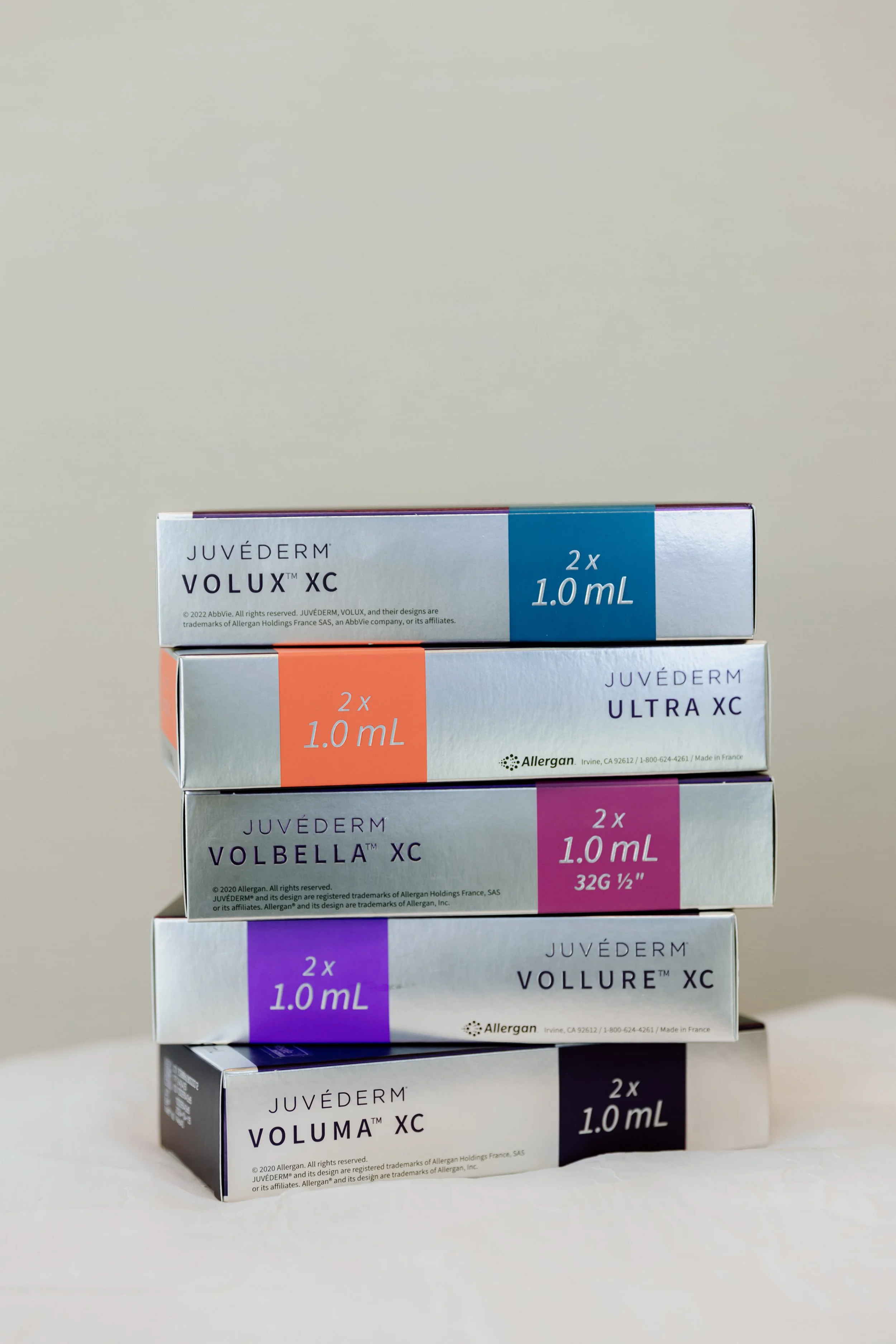
Medical-grade hyaluronic acid: Premium dermal fillers provide structural support, smooth deep lines, and restore natural facial proportions when placed with anatomical precision.
Hyaluronic acid is a naturally occurring sugar molecule in your body that binds to water, providing internal structure, volume, and hydration. When precise amounts of HA gel are placed deep against structural bone points, dermal fillers can restore lost cheek volume, define sagging jawlines, and smooth deep facial folds seamlessly.
So where did cosmetic injections go wrong?
Volume Chasing: As filler settles into tissue over time, clients adjust to their "new normal" and assume the product has vanished. They return asking for another syringe, even though structural volume is still present.
Subpar Injectors Without Boundaries: Many high-volume clinics operate on sales quotas. Rather than educating the client on light reflection, facial proportions, or alternative collagen-building options like Sculptra or RF skin tightening, inexperienced injectors simply injected another syringe.
Layering on Top of Migrated Filler: Injecting fresh product into tissue that is already saturated causes hyaluronic acid gel to migrate, creating that telltale puffy, unnatural look around the lips and eyes.
A skilled aesthetic provider understands that expert facial rejuvenation is not about filling every single line; It is about restoring overall facial symmetry, light reflection, and natural balance.
Debunking Today's Biggest Dermal Filler Myths
Myth 1: "Hyaluronic acid filler dissolves completely on its own in 6 to 12 months."
MRI imaging studies have proven that hyaluronic acid fillers often last much longer than their initial manufacturer ratings. While the dramatic initial plump fades as water settles, small amounts of HA gel can stay integrated in the tissue for years. This is why routine, yearly "top-off" syringes are rarely necessary and frequently lead to overfilling.
Myth 2: "Filler is the only way to fix hollow cheeks or under-eye bags."
Not every facial hollow needs to be filled with gel. If your skin has lost elasticity or thickness, adding heavy under-eye filler can pull delicate tissue down, making you look more fatigued. Often, the better answer is a collagen-building treatment like Sculptra, SkinPen Microneedling, or Density RF to thicken the skin matrix naturally.
Myth 3: "If I don't like my filler results, I am stuck with them."
One of the safest aspects of hyaluronic acid fillers is that they are 100% dissolvable. Using an enzyme called hyaluronidase, an experienced nurse injector can safely break down migrated lip filler or excess facial volume, resetting your underlying tissue to its natural state.
The Difference a Solid, Honest Injector Makes in Scottsdale
Injectable treatments are medical procedures requiring advanced knowledge of facial anatomy, vascular mapping, and aging mechanics.
When you choose a dedicated provider in Scottsdale who prioritizes long-term facial harmony over quick syringe sales, your outcome changes completely. A great injector will:
Say "No" to Extra Syringes: They will turn you down when your tissue has reached capacity, even if you ask for more volume.
Suggest Dissolving First: If you arrive with old, migrated lip filler from another clinic, they will recommend dissolving the old product to start fresh rather than compounding the issue.
Focus on Full Facial Balancing: They won't evaluate your lips or smile lines in isolation; they assess how light hits your entire face to keep your features balanced from every angle.
Combine Rejuvenation Modalities: They will integrate laser treatments, skin tighteners, and bio-stimulators into your long-term plan so you aren't relying solely on HA gels for anti-aging.
Frequently Asked Questions
How do I know if I need facial filler or a collagen stimulator like Sculptra?
HA fillers are ideal for immediate structural refinement (like defining a chin apex, adding crisp lip definition, or lifting a specific cheekbone). Bio-stimulators like Sculptra are superior for widespread structural volume loss, skin thinning, and subtle, gradual restoration across larger facial areas.
Does getting filler dissolved hurt?
Dissolving involves a targeted injection of hyaluronidase. While it can sting slightly more than initial filler placement, numbing agents are used to make the procedure fast and comfortable.
Experience Natural-Looking Facial Balancing in Scottsdale
You don't have to fear dermal fillers; you just need an aesthetic provider who respects your natural anatomy and gives you honest recommendations. If you are looking for subtle, gorgeous refinement that keeps people guessing your secret, we are here for you.